

Prattism Is the Future of Populism
Is LA the launch pad for a new, popular politics?
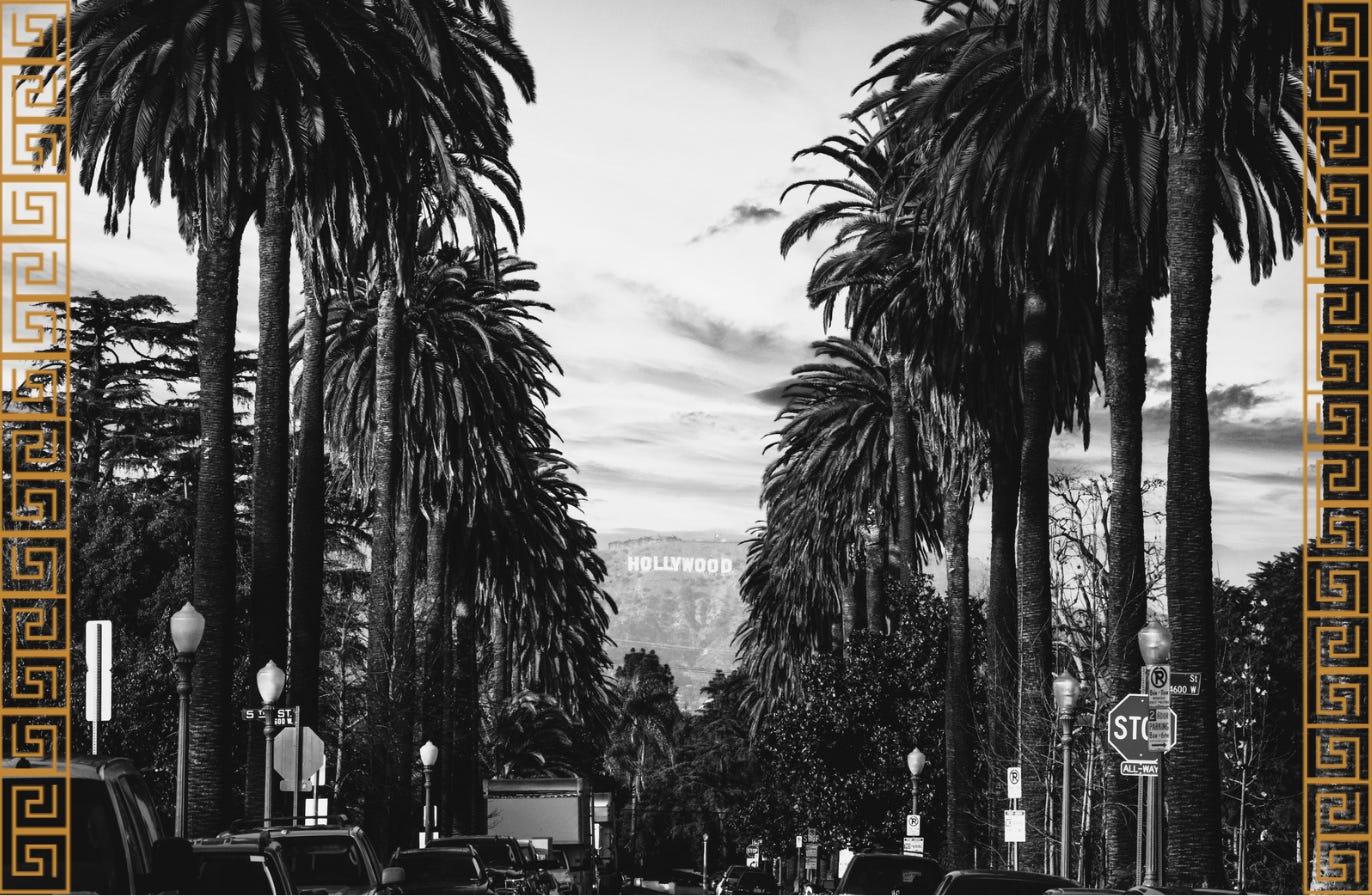

About a month ago, a major moment in American politics passed by with little notice — President Trump now has less than 1000 days left to serve. For those looking to figure out what the American right will look like after Trump’s departure from center stage, the Los Angeles mayoral race has shown a potential path for the Republican Party’s future. At the end of last year, it seemed LA would continue to be mismanaged under incumbent Karen Bass. This would have been despite the Palisades fires, the fierce response from the president and public for the lack of reconstruction, the large amounts of grift surrounding the aid money that seemed to have disappeared into a labyrinth of NGOs, and other, less acute but longer-lasting crises like vast swaths of the city being turned into open-air mental asylums.
Enter Spencer Pratt: a former reality TV star turned dark horse candidate with a flair for social media. Pratt has created a groundswell of popular support with his unfiltered, unabashed, and uncompromising vision for bringing about “a new golden age of Los Angeles.” Sure, his plan might seem a little light on the details (he’s never held public office before), but it’s optimistic and rooted in clear common sense. More importantly, he’s not afraid to go after his opponents directly, holding them accountable for their failures, mocking their pieties, and moving past the typical political charades to get right at the heart of crucial issues. Stop me if any of this sounds familiar.
In Spencer Pratt, we see what MAGA might evolve into. Pratt is fundamentally Trumpian, but a little less abrasive, a bit more bearable to suburban moms, and better at appealing to a wide coalition in a deep-blue battleground like Los Angeles. His motivation and message — the incompetent, lying Democrats have burned down my home, and I’m not going to take it lying down — also drove Donald Trump to plunge into politics, only in Pratt’s case, his house did quite literally burn down. But while Pratt’s political positioning and ambitions are designed to insulate himself from accusations of national ambitions, his tactics in running an extremely media-savvy campaign have already brought massive national attention.
In this respect, though, Pratt provides a path to make Trump’s success much more replicable. Steering clear of the culture war messaging that has carried conservatives through two elections, Pratt positions himself as an easy-to-get-along-with 90s-era Clinton-style Democrat (which is to say, a modern Conservative). Unlike Mamdani, whom he is frequently compared to, he’s unwilling to promise free buses, only buses free from feces and the drug-addicted “zombies” (Pratt’s preferred term for the homeless) that produce them. Also, differentiating himself from the new mayor of New York, Pratt is determined not to discuss international or even national politics. He also doesn’t seem to want the President’s endorsement, even though he is a registered Republican. Running an independent campaign, with a bootstrapped team that can’t doorknock quite as pervasively as Mamdani’s socialist support squad, comes at a cost, but it’s a risk worth taking when embracing the MAGA label his opponents are desperate to decry him with could be the kiss of death in liberal LA.
Pratt is also not overly ideological, focusing on what he views as low-hanging, pragmatic improvements, like enforcing the laws his Democratic predecessors put on the books but then decided to put off enforcing. And, unlike his competitors, he is entirely focused on one thing: fixing his city. He’s got no higher aspirations than that; the mayorship is the pinnacle of his political ambitions. In this, he cites Cincinnatus as his model, with his end goal being to pick up his plough (or perhaps his healing crystals) once again after his eight-year tour of duty.
Pratt’s primary appeal to centrist and left-leaning voters — that ideology and political labels are irrelevant when your kids are being terrorized by rampant public disorder, and that our tax dollars are funding this terrorism — is the right play for Republicans to run on for the foreseeable future. Call it Prattism: take everything from Trump that works, smooth off the rough edges that alienate the centrists, focus on actually winning over performed purity for the too-online pundits, and make no apologies for being an unconventional candidate. If it can work this well in LA, it can work anywhere. There are dozens of cities across the country in which the Spencer Pratt playbook could be deployed. A closer focus on the local level, avoiding the all-too-enticing culture war, and a willingness to get out into the community don’t take massive donor support or political capital. Neither do the AI ads nor the social media savvy that Pratt has deployed to great effect; if he fails to win his election, he could likely start a successful consultancy, teaching others his tricks.
And lesson number one would surely be a focus on what will impact the lives of actual voters. Staying local grants staying power in modern American conservative politics. Too many figures find fame, only to then flame out by focusing on issues too far flung from their constituents — Thomas Massie’s anti-Israel obsession being the most recent example. Less than two years into the Trump administration, many have already traded in real responsibility for a much less respectable career as social media stars, opting for the podcast circuit over real power.
But this is a false dichotomy. By focusing on the fundamentals voters care about, the fame so many have forfeited everything to find can be won — just look at the rise of independent journalist Nick Shirley. The hidden genius of Prattism is that addressing local issues will resonate with the broader country, while maintaining the moral high ground. While Pratt’s challengers use their time in front of the cameras to wage war on the administration, Pratt has shown an almost unique willingness to address the key issues for Angeleno voters: crime, homelessness, functional city services, and the cost of living. Unsurprisingly, there is a massive overlap between what Americans in LA care about and what Americans across the country care about.
Nationally, the cost-of-living crisis will be the ultimate deciding factor in future elections. Any savvy politician who can promise to curb the costs imposed on voters, potentially by tackling the rampant waste, fraud, and abuse that is eating into everyone’s taxes nationwide, will have a much easier time maintaining power. For someone like J.D. Vance, this is an easy win with voters. Vance has already shown an ability to run the Prattism playbook with his communications strategy, avoiding the trap his inevitable challenger, Gavin Newsom, has set for himself. Most voters want confident messaging, not an endless stream of crass social media memes. Pratt could also be a potential spoiler for a 2028 Newsom run if he manages to actually improve LA, as voters will ask, “Why couldn’t we have had this the entire time?”
It’s unknown whether Spencer Pratt will get the chance to succeed in his grand gamble to save the city he loves. He’s got a lot working against him, and, even if he manages to win the election, he’s only then at the start of his quest. But his meteoric rise has provided the template for others to follow in his stead. For the first time, we are seeing what the future of the right might look like, and it shouldn’t be a shock that it took an ex-reality TV star to light the way.
Evan Riggs is the Operations Director at the Bull Moose Project. You can find him on X @EvanRiggss.